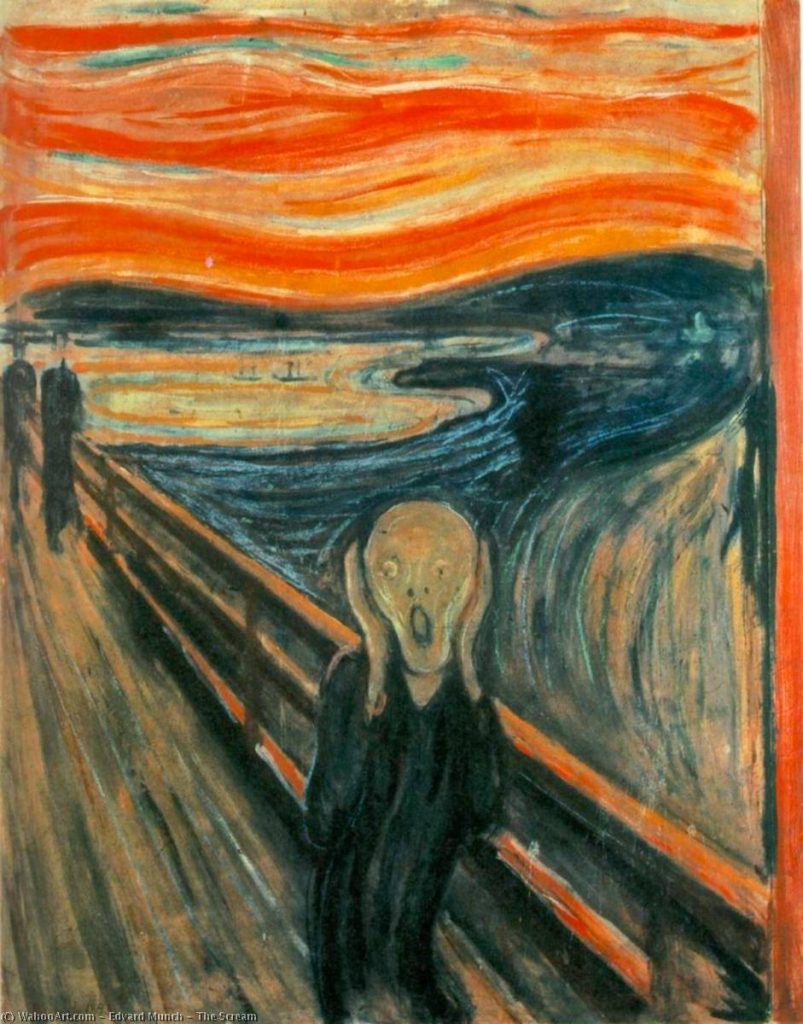
A "betrayal of the body".
This is how Santiago, the protagonist of Ernest Hemingway's masterpiece "The Old Man and the Sea," refers to cramps. And perhaps there's no better way to describe them.
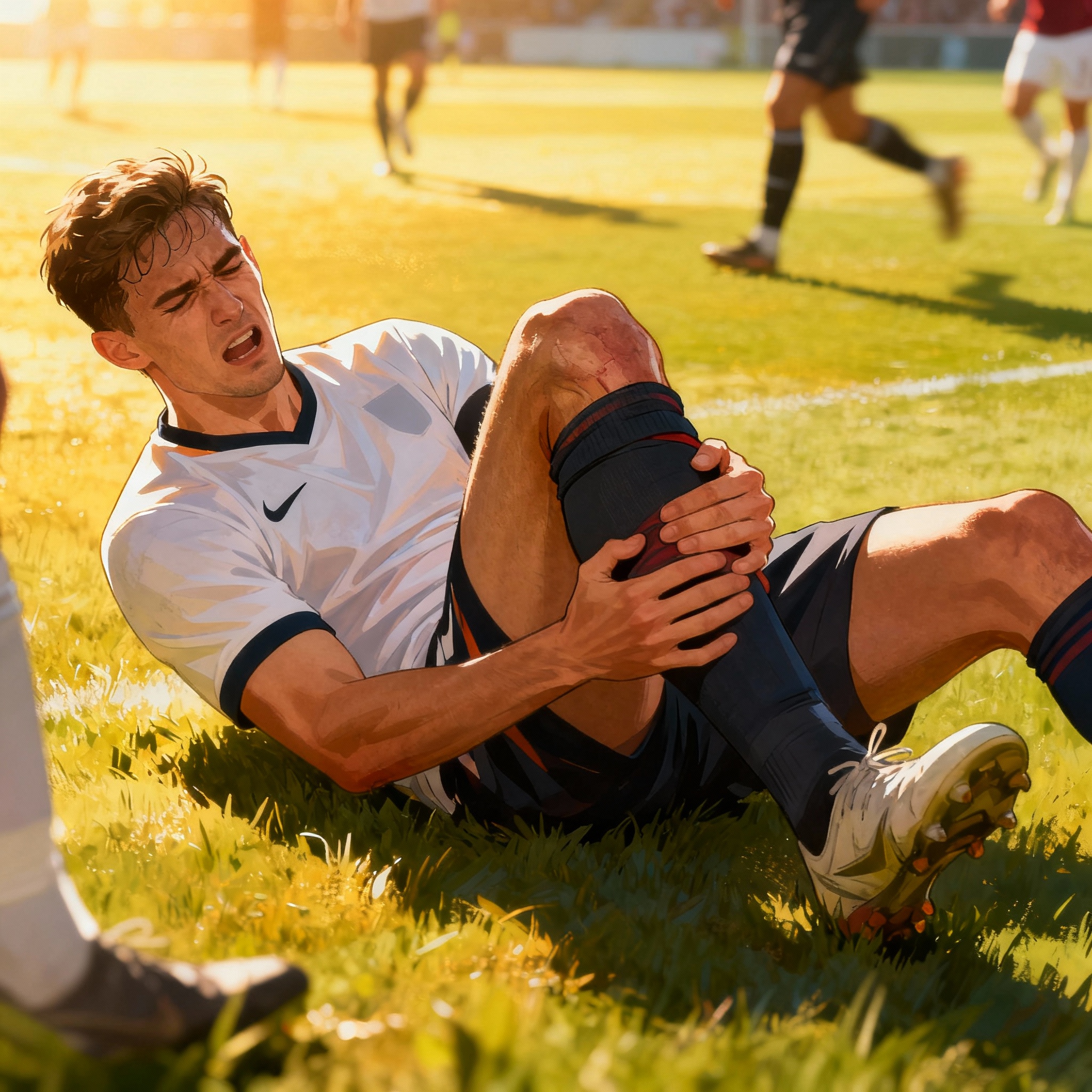
You're there, savoring a yoga pose (asana) or enjoying a nice run, and suddenly! A little ache, which in a matter of seconds becomes a big pain, makes you groan and grab the offended muscle. No more savoring asanas, no more long strides in the park. All that remains is the annoyance of this unresponsive body part and a great deal of discomfort.
But why did life conceive of something like cramps? How do they happen to us? And how do we get rid of them?
Well, first, we need to understand something else...
How do muscles work?
Muscles are composed of numerous layers of myofibrils, whose filaments, upon activation, "join together," leading to muscle contraction.
In more detail: there are thicker myofibrils made of the protein myosin, which spontaneously try to attach to thinner ones, composed of the protein actin.
However, when at rest, actin is bound to two other proteins (troponin and tropomyosin) that prevent myosin from attaching.
When the nervous system wants muscles to contract, it causes troponin and tropomyosin to move. How?
By releasing calcium ions. These ions bind to troponin and tropomyosin, exposing the actin fibers.
In short, at that point, the thicker myofibrils can join the thinner ones and then, using the energy provided by ATP molecules, they pivot their heads and pull the actin filaments towards themselves.
Why do cramps occur?
Well, after the entire process described above has allowed the myofibrils to come together and the muscle to contract, something is needed to tell actin and myosin to detach.
Sometimes, however, this doesn't happen; the contraction mechanism remains 'stuck,' and the muscle continues to contract involuntarily, and that's when we get cramps!
Very often, the causes are physiological.
For example, if we are dehydrated, calcium ions are not reabsorbed (this can happen due to a deficiency of magnesium, its antagonist), or a lack of potassium or calcium can increase nerve excitability, causing it to continue telling the muscle to contract.
It can also happen that a particularly intense effort leads to ATP depletion, preventing the myofibrils from detaching from each other.
There are also other reasons, such as neuromuscular causes that can lead to cramps, like excessive body stiffness (but we discuss that here), nerve compression, lack of blood flow to the muscle, etc.
What to do when a cramp strikes?
If you are doing yoga, first and foremost, come out of the pose. There's no point in stubbornly "punishing" our body. In fact, it's better to gently stretch the aching muscle.
Massaging or warming the affected area is also very effective. Cold, on the other hand, while it might numb the pain, does not help the muscle relax; quite the opposite. And of course, if you are dehydrated: drink!
These same precautions usually also serve as cramp prevention. Although it's always difficult to prepare for cramps.
After all, with all due respect to the fisherman Santiago and all of us, a betrayal is still a betrayal!
Further Reading
Exercise Physiology: Nutrition, Energy and Human Performance by W. McArdle, L. Katch, and V. Katch