The Firing of the First Neuron
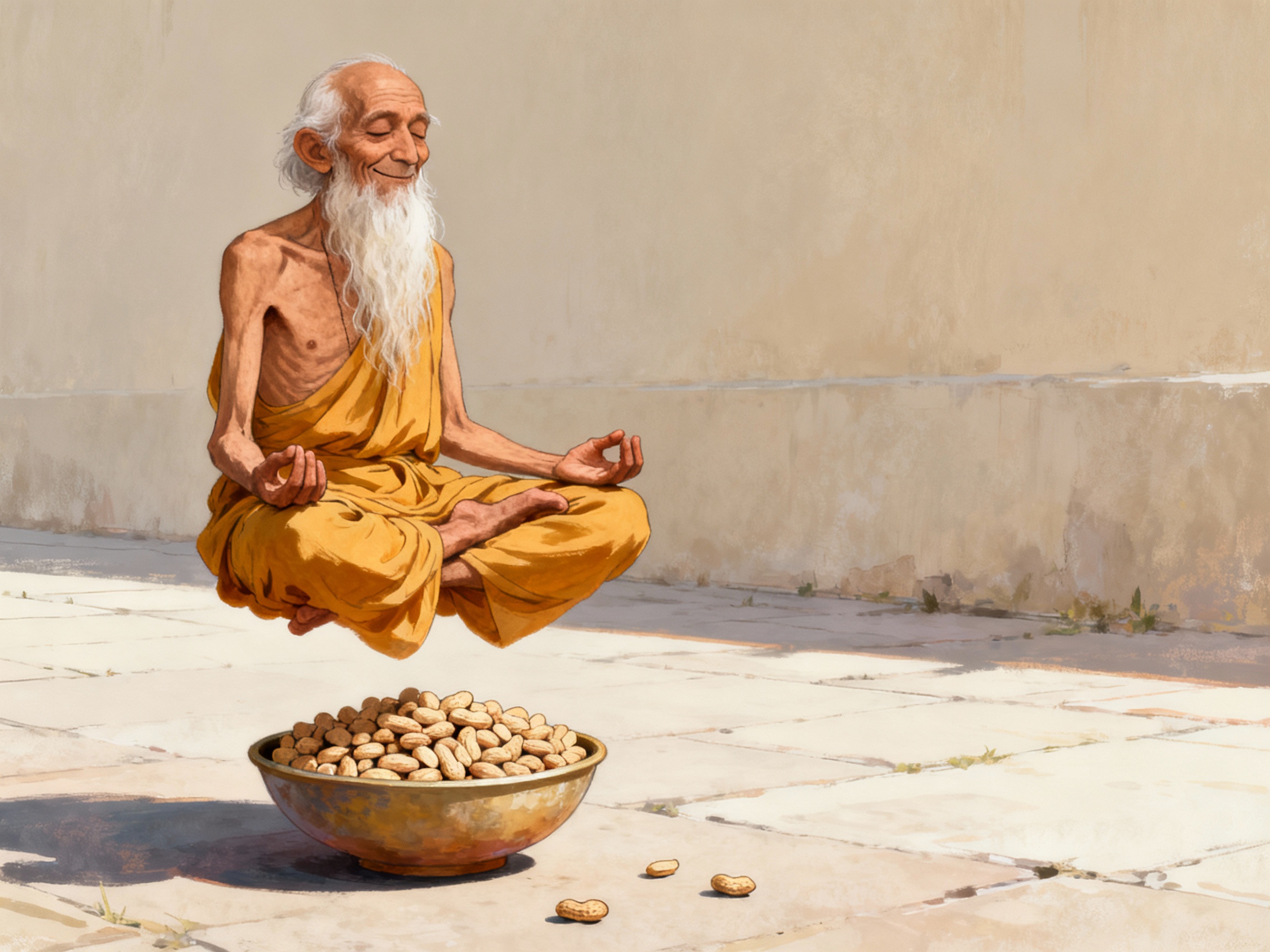
I gorged myself on peanuts during my shift at the local club's bar. After a few minutes, I realized I was very thirsty. I looked at the glass in front of me. I grabbed it and brought it to my mouth. What a relief!
Easy as drinking a glass of water, right?
Wrong. Quite the opposite.
What lies behind this simple gesture is what philosopher David Chalmers called "The Hard Problem" of consciousness.
What scientists and philosophers cannot explain is how thought (I want to take the glass), which is immaterial by nature, can give rise to something material, like the electrical impulse that moves the arm.
How, in short, does something as abstract as consciousness give rise to something concrete?
A Network of Electrical and Chemical Activity
The most popular, though highly debated, answer among scientists is that thought and consciousness do not truly exist. When we believe we are thinking, we are actually just taking note of electrical impulses that have already occurred in the brain. Therefore, there is no true consciousness or true will. It is pure mechanics.
The brain, as an organ, decides to make me think I'm thirsty and also to make me take the glass. Consciousness is just an illusion.
Beyond Arid Determinism
This theory, proposed in the 1980s by Benjamin Libet, leaves the fundamental question unresolved: if we are merely mechanics, who is observing all of this? Who feels the thirst, who perceives the relief, who lives the experience?
Millennia ago, Indian rishis had already pondered this question and investigated it with a scientific method.
Yoga, at its core, is nothing more than a methodical training of consciousness.
Their answer?
There is something concrete, yet intangible that connects mind and brain: prana.
Where There is a Body, There is Energy (E=mc2)
According to Vedic science, when chitta (consciousness) decides to take a glass of water, it uses energy (prana) to connect with the brain (the material body).
Energy, in fact, is intrinsic to all matter, but also to thought.
In short, the mind does not act directly on the nerve. It acts on energy, on Prana. Conscious intention shapes the flow of Prana, which, passing through thousands of energetic channels (called nadi), comes into contact with the physical nervous system.
According to yoga, Prana manifests in our body in five main flows, the Vayu (winds), each responsible for a specific function, from digestion to blood circulation, and even thought itself.
Imbuing Oneself with Prana
For yoga, our consciousness manifests through five concentric sheaths. The outermost ones are that of the physical body (annamayakosha), that of the pranic body (pranamayakosha), and that of the mind (manomayakosha).
The most classic way to work on the control and expansion of prana is through breathing techniques, called pranayama.
However, asanas also work intensely on an energetic level.
When we practice on the mat with awareness and contemplation, the mind exploring the body becomes imbued with prana and channels it throughout the body. This is why a yoga practice should never leave us tired. Sore perhaps, but not tired.
Without awareness of Prana, Libet is right: we are at the mercy of cerebral mechanics, impulsive desires, and the automatisms of the nervous system. But when we begin to perceive the energetic body, the game changes. We are no longer passive spectators of a brain that decides for us, but become directors of the flow.
When we practice asanas or pranayama, we are not just doing gymnastics or breathing deeply. We are
Cleansing the Nadis (the channels), so that the mind's intention encounters no obstacles.
Expanding the Pranamayakosha, so that our vital "battery" is charged and ready.
Training the Will, so that the "first neuron" fires not from a conditioned reflex, but from an act of love and conscious choice towards ourselves.
The most interesting thing? Even drinking a glass of water can become an asana and expand our prana, if we do it with awareness.
Anyway, I've promised myself to eat fewer peanuts.
Further Reading:
The Mystery of Consciousness by J. R. Searle
Light on Pranayama by B.K.S. Iyengar
Hatha Yoga Pradipika by Svatmarama